A NEW TAKE THE JUMP FOR A NEW WORLD
Take the Jump was launched in 2022, and as you may have noticed, the world has changed a lot since then! Take the Jump has taken six months to reflect on this and is making some big changes to better meet this new world we live in. Read on to find out more…
Take the Jump began four years ago
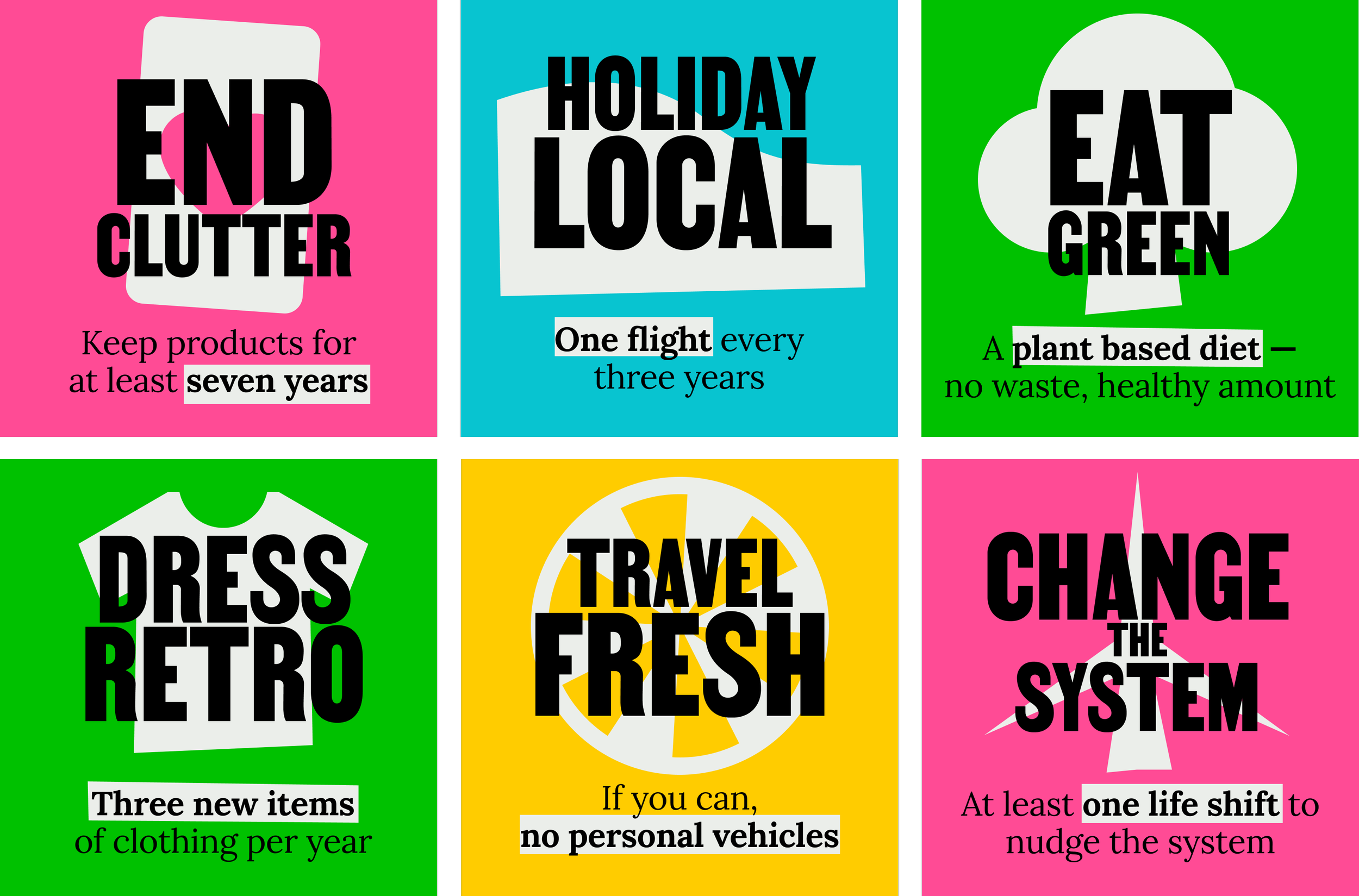
When Take the Jump first launched, our mission, and our six shifts were clear…
To help people reduce their environmental impact through six practical lifestyle shifts. The idea was that everyday people and communities could have a huge direct impact by making science based changes in travel, food, product use and how we engage with the world around us.
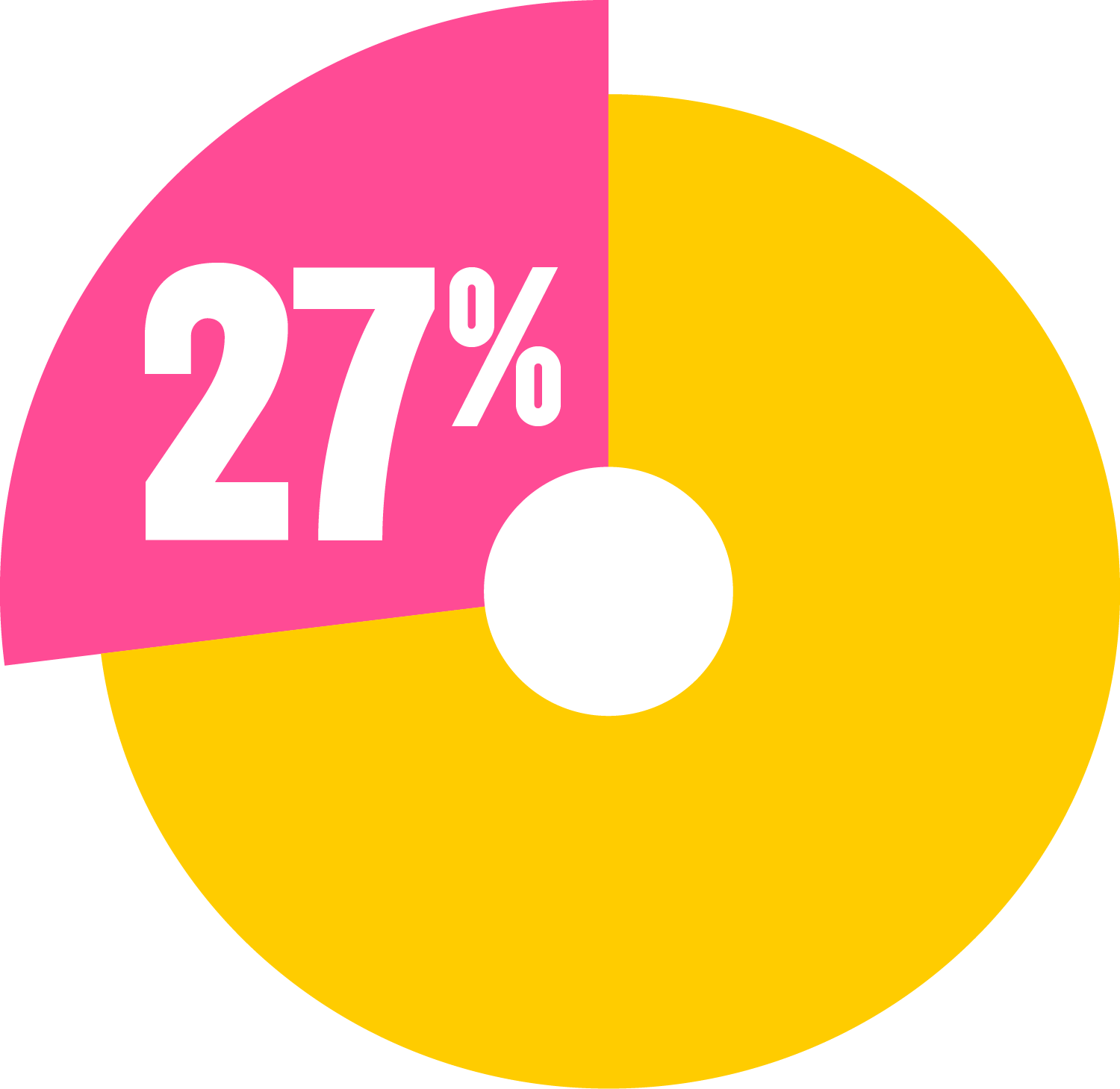
The science is clear that doing so will deliver 27% of the change needed to avoid ecological breakdown. So yes, government and industry have most responsibility, but people are not powerless!
And then by activating others in an engaging and joyful way, could build towards a cultural tipping point to unlock real system change. A core part of our approach is the notion that ‘to change the world, throw a better party’. By showing that living in balance with nature is not just good for the planet, but can make our lives better, is vital to getting the wide scale support for the big changes we need.
Since our launch we’ve had thousands of people take the jump, have reached over four million people with info about the shifts through our outreach, have dozens of local activity hotspots and after launching in the UK we now have full operations in New Zealand and Germany with dedicated teams and support (with more countries coming soon). We’ve held several hundred local events, and many partnerships with schools, businesses, councils, festivals and cultural institutions to drive uptake of the shifts.
That mission remains unchanged. If anything, the environmental case for the original Take the Jump shifts is even more compelling today than when we first introduced them. As is the need for positive and hopeful messages and theories of change.
a lot HAS CHANGED since then
We live in a more complex, challenging and fast changing world
Yet over the few years since Take the Jump was launched, we have witnessed rising geopolitical tensions and conflict, growing economic insecurity, rapid advances in artificial intelligence, increasing social polarisation, declining trust in institutions, demographic change and an information environment that often rewards outrage over understanding. These trends each have their own causes, but together they create something larger than the sum of their parts: a world that feels more uncertain, more complex and less predictable than it has for decades.
None of this means that humanity is destined for catastrophe. History reminds us that societies are remarkably capable of adapting to periods of profound change. But it does suggest that the questions many of us are asking have evolved. Alongside “How do we help tackle climate change?” people are increasingly asking, “How do we stay hopeful?”, “How do we build resilient families and communities?”, and “How do we continue living well in an uncertain world?”
We believe these are not separate questions. They are different parts of the same conversation (keep an eye out for our new program ‘Through the Bottleneck’ that will delve into these issues deeply, consider what this all means for our future, and how we can respond).
What these changes mean for Take the Jump:
1) Climate and ecological change cannot be addressed in isolation from the other issues of our day
It has become increasingly clear that understanding and taking action on climate change does not exist in isolation. Increasing political and social division, growing conflict, economic challenges, technological changes, all impact on the environment and our efforts to protect it. Climate is a vital issue in a period of much broader global change that is reshaping the lives of households, communities and countries around the world.
2) A more turbulent world is impacting people's priorities and how they feel
We are also seeing changes in the people taking part in Take the Jump, and those we are reaching out to to get engaged. With so many issues that worry people, lots of uncertainty, lots of bad news in the media, this means that many are very understandably inclined to avoid the news. This is important for maintaining our own wellbeing, but means we need to find other ways of reaching people who may be ostriching to a degree. It also means that when people do have the energy to engage with the issues of the day, there are more salient themes they will be drawn to engage with - wars, AI, inequality, polarisation - than when we launched. This has meant that climate change and ecological harm has reduced in its salience for people, even if just because there are so many competing issues that demand attention. It is therefore vital that we are able to communicate about and address ecological harm within the context of these wider issues, so that potential participants can rightly feel like they are addressing the big issues of the day by taking part.
So we are changing
Due to these changes to our world and how people are feeling, Take the Jump is changing too. Here’s an overview:
Building on our successes
TTJ has a lot of strong assets and momentum that can be harnessed going forward, must keep working to drive its general goals, while at the same time, clearly needs to adapt to this very different world.
Changing to meet our current moment
It feels our messaging and framing needs an update to better meet people where they are, to acknowledge the overwhelm and concern and the wide range of issues that are important today. To keep our strong focus on the inspirational power of joy, without this feeling avoidant.
One of the strongest lessons has been that people rarely described the six shifts as environmental sacrifices. Instead, they talked about what they gained. Walking or cycling instead of driving helped them reconnect with their local area. Buying fewer things reduced both financial pressure and mental clutter. Eating differently became an opportunity to cook with friends and family. Slowing consumption often created more space for relationships, creativity and experiences.
These stories echoed a growing body of research showing that, beyond a certain level of material comfort, many of the things that contribute most to a good life are also remarkably low-carbon. Strong relationships, time in nature, physical activity, meaningful work, belonging within a community and a sense of purpose consistently contribute more to long-term wellbeing than ever-increasing levels of consumption.
If the coming decades are likely to bring greater uncertainty, then responding well requires more than reducing our environmental impact. It also requires cultivating the qualities that help people navigate change well: resilience, adaptability, strong relationships, practical skills and supportive communities.
Climate action remains essential. But preparing ourselves and our communities for a rapidly changing world has become essential too.
That is why Take the Jump is evolving.
An updated call to action, and NEW six shifts!
The biggest change is not simply to the individual shifts themselves, but to what we are inviting people to do. Originally, Take the Jump invited people to take six lifestyle shifts to reduce their environmental impact and help protect the planet.
Today, we invite people to take six lifestyle shifts that help them live well in a fast-changing world—protecting the Earth while also strengthening their own wellbeing, their communities and their resilience for whatever the future may bring.
To reflect this broader vision, we have simplified some of our original shifts and introduced two entirely new ones.
Merging our travel FOCUSED shifts
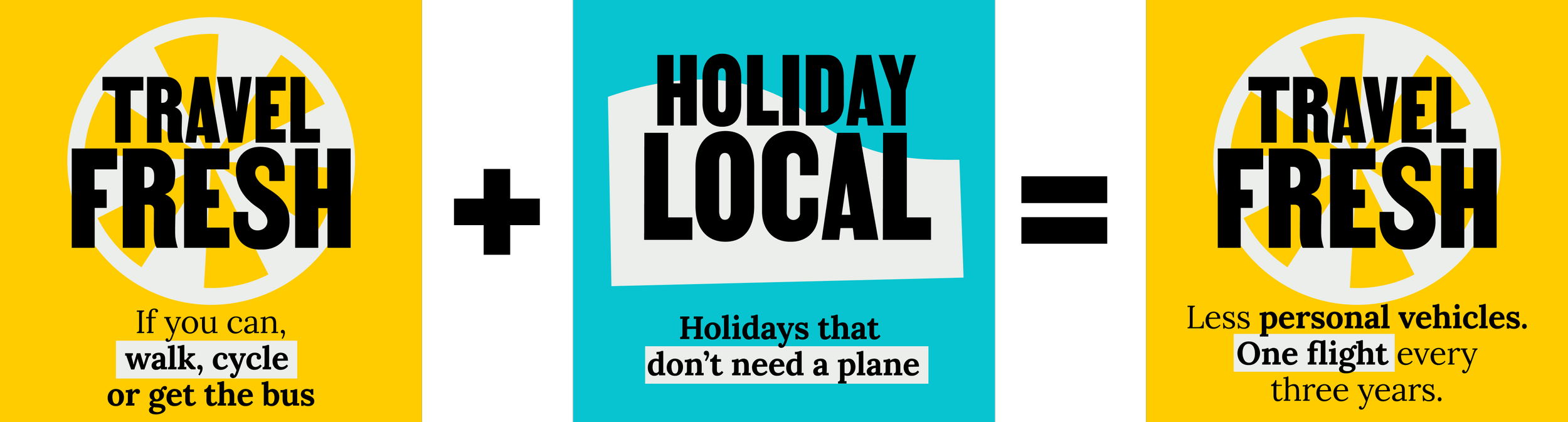
First, we have combined Travel Fresh and Holiday Local into a single transport-focused shift called Travel Fresh. Whether choosing to walk instead of drive for everyday journeys or reducing the number of flights we take, these decisions ultimately concern the same part of our lives: how we move through the world in ways that are healthier, lower-carbon and more connected.
Merging our products focused shifts
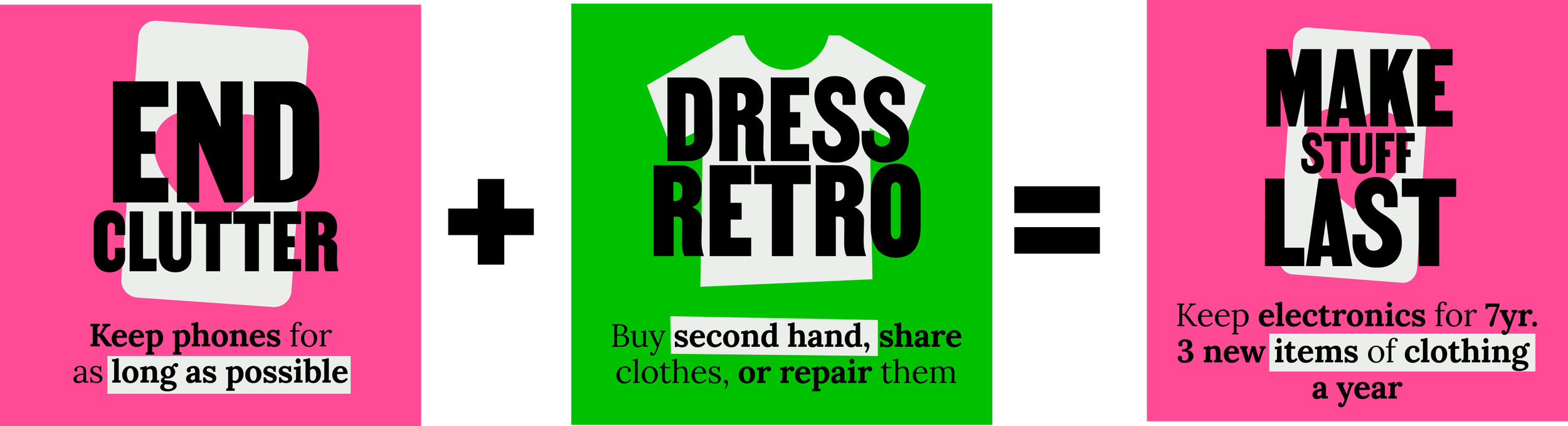
Second, we have brought together Dress Retro and End Clutter into a new shift called Make Stuff Last. Rather than treating clothing and electronics separately, this shift reflects a broader philosophy of valuing the things we already own. Repairing, maintaining, borrowing, buying second-hand and extending the life of everyday possessions all reduce environmental impact while challenging the culture of constant replacement that has become normal in many societies.
ADDING TWO NEW SHIFTS
Bringing these four shifts together has also created space for two entirely new ones.
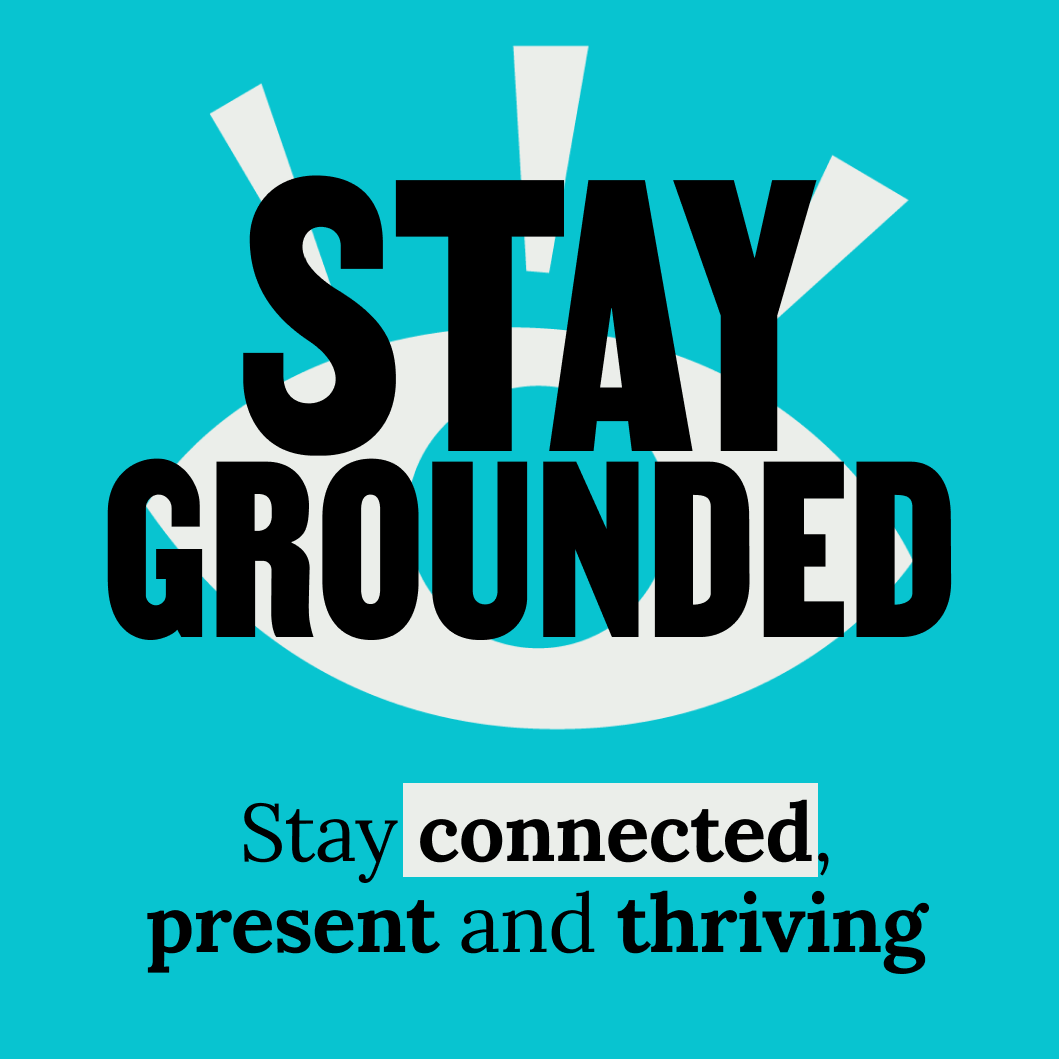
Our new STAY GROUNDED shift focuses on building inner resilience. It encourages practices such as spending time in nature, reducing digital overload, making space for reflection, cultivating gratitude and strengthening the habits that help us remain calm, compassionate and purposeful amidst increasing uncertainty. Click here for more info on this shift.
STAY GROUNDED
Our new STAY GROUNDED shift focuses on building inner resilience. It encourages practices such as spending time in nature, reducing digital overload, making space for reflection, cultivating gratitude and strengthening the habits that help us remain calm, compassionate and purposeful amidst increasing uncertainty. Click here for more info on this shift.
GROW COMMUNITY
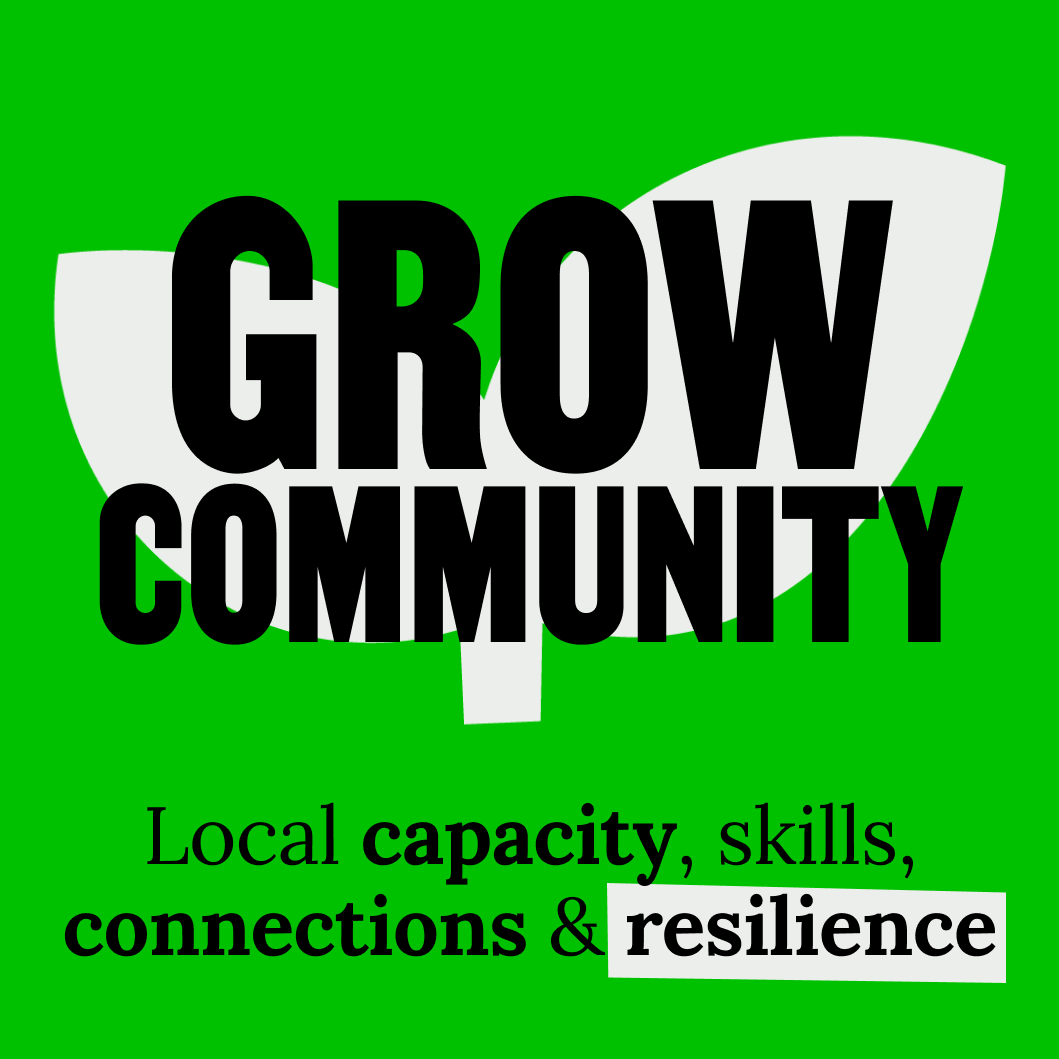
Our new GROW COMMUNITY shift focuses on practical resilience. It encourages people to strengthen the places where they live by getting to know neighbours, learning practical skills such as first aid, supporting local organisations, sharing resources, growing food where possible and contributing to communities that are more connected, capable and prepared for future challenges. Click here for more info on this shift.
So now the six shifts that are at the heart of taking the jump are:
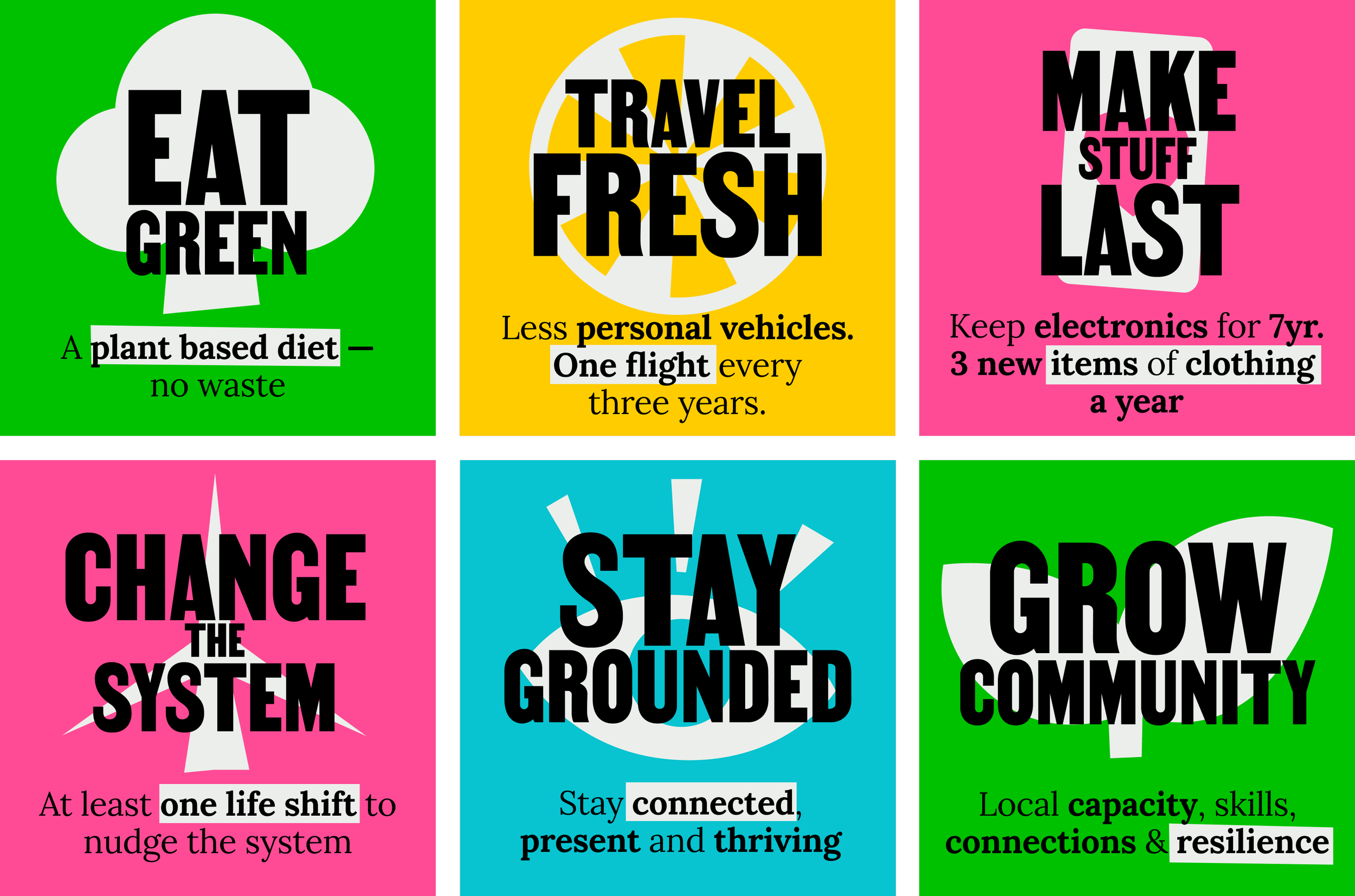
Taken together, these six shifts now reflect a broader understanding of what it means to live well in the twenty-first century.
THESE CHANGES HELP MAKE SURE WE’RE FIT FOR THE FUTURE
At first glance, these additions may appear to move Take the Jump beyond climate change. In reality, they bring us closer to the reason the organisation exists.
The environmental crisis has never been only an environmental problem. It has always been deeply connected to questions about how we live, what we value and how we relate to one another. The same is increasingly true of many of the other challenges emerging around us. Whether we are responding to climate disruption, economic uncertainty, social division or rapid technological change, the qualities that enable societies to flourish are remarkably similar.
We need people who feel connected rather than isolated. Communities with high levels of trust rather than suspicion. Citizens who can engage thoughtfully rather than react impulsively. Neighbourhoods where practical skills and mutual support are shared rather than left entirely to distant institutions. These qualities make us more resilient to crises when they occur, but they also make everyday life richer, healthier and more meaningful long before any crisis arrives.
This is perhaps the most important lesson we have learnt. Living sustainably is not simply about consuming less. It is about living differently. It is about recognising that many of the things that make life deeply satisfying—friendship, purpose, belonging, time outdoors, caring for others, contributing to our communities—are also the foundations of resilient societies and low-carbon lives.
That is why we believe the six shifts belong together.
Four continue to help us reduce our impact on the planet. Two help us strengthen ourselves and our communities. Together they recognise that these goals are not competing priorities but complementary ones.
The future will undoubtedly bring challenges that none of us can predict with certainty. Yet it will also bring opportunities to build stronger relationships, healthier communities and lives that are richer in the things that matter most.
Take the Jump has always believed that meaningful change begins with ordinary people making practical choices together. That belief has not changed.
What has changed is our understanding of the journey ahead.
Today, taking the Jump means more than reducing our environmental footprint. It means becoming part of a growing community of people who are choosing to protect the Earth, strengthen their communities, nurture their own resilience and live well in a fast-changing world.