

This shift is all about reducing the ecological impact of the products we buy by keeping them for longer. Meaning the total number of products produced doesn’t need to be so high.
Based on the science, it focuses on clothing and electronics…
What is THE ‘MAKE STUFF LAST’ SHIFT?
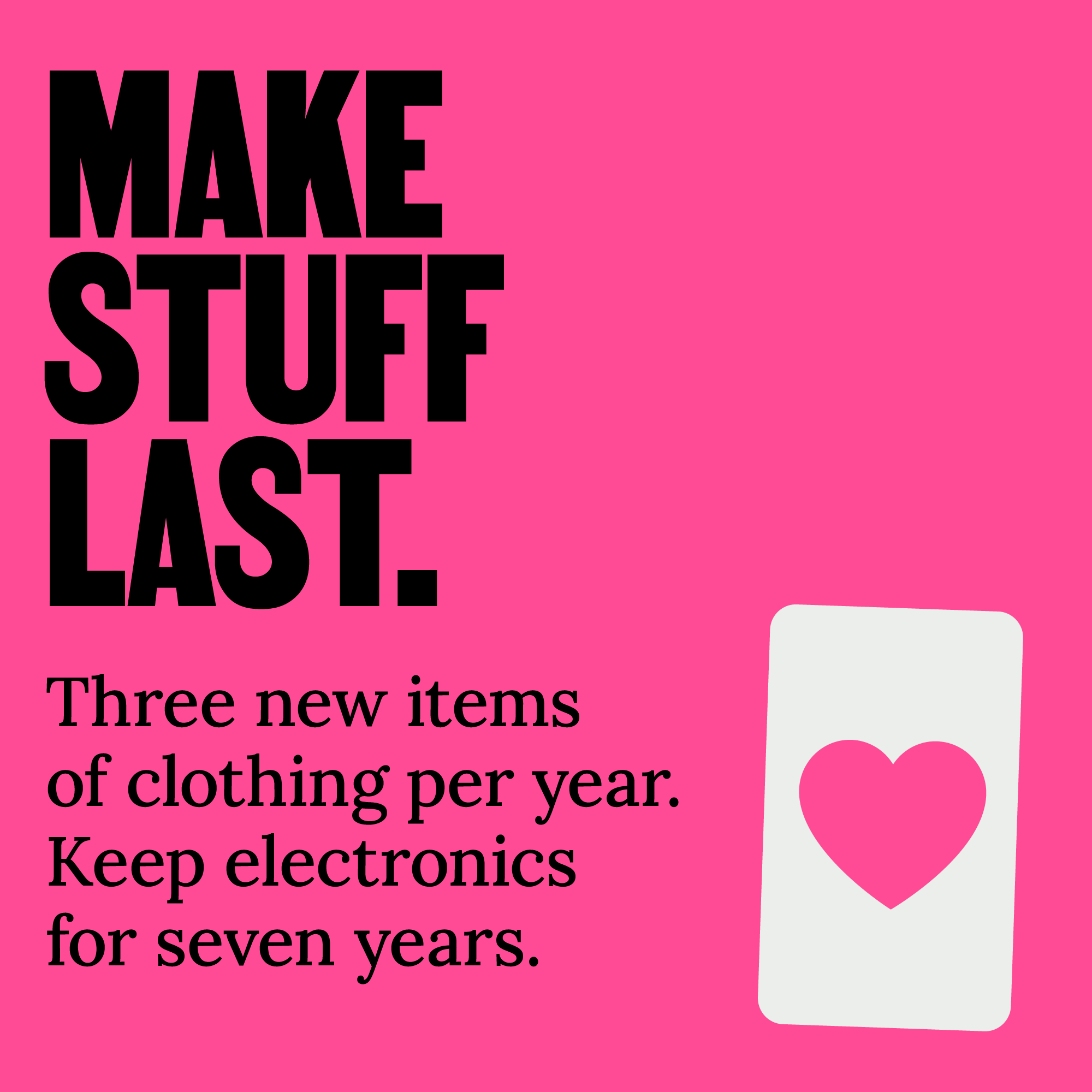
Keep electronic products for at least 7 years.
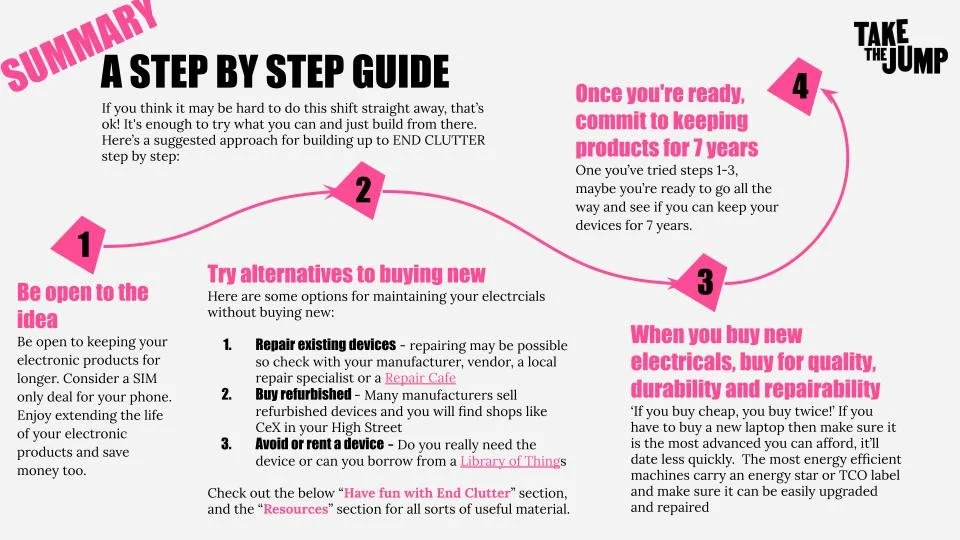
Some of us have a smartphone and personal computer, and in some cases these are supplemented by a tablet, e-reader, smart-watch and other electronic items. We typically replace these products for an upgraded model at least every couple of years. And this expiry date extends to many more of the things we fill our lives and homes with. The target is to keep electronic products for 5-7 years - their full optimum lifetime. This applies to other belongings too. This will mean more repairing rather than replacing, and not succumbing to adverts that make you think you need the next new thing now!
WHILE TAKING THE JUMP: Try to keep the phone you have and avoid buying new electronic products!
Given that your initial jump is less than seven years, why not just try to avoid buying any new electronics over that period? Instead try to repair products, borrow them, rent them, buy second hand, or if you really need something then keep new items to a minimum.
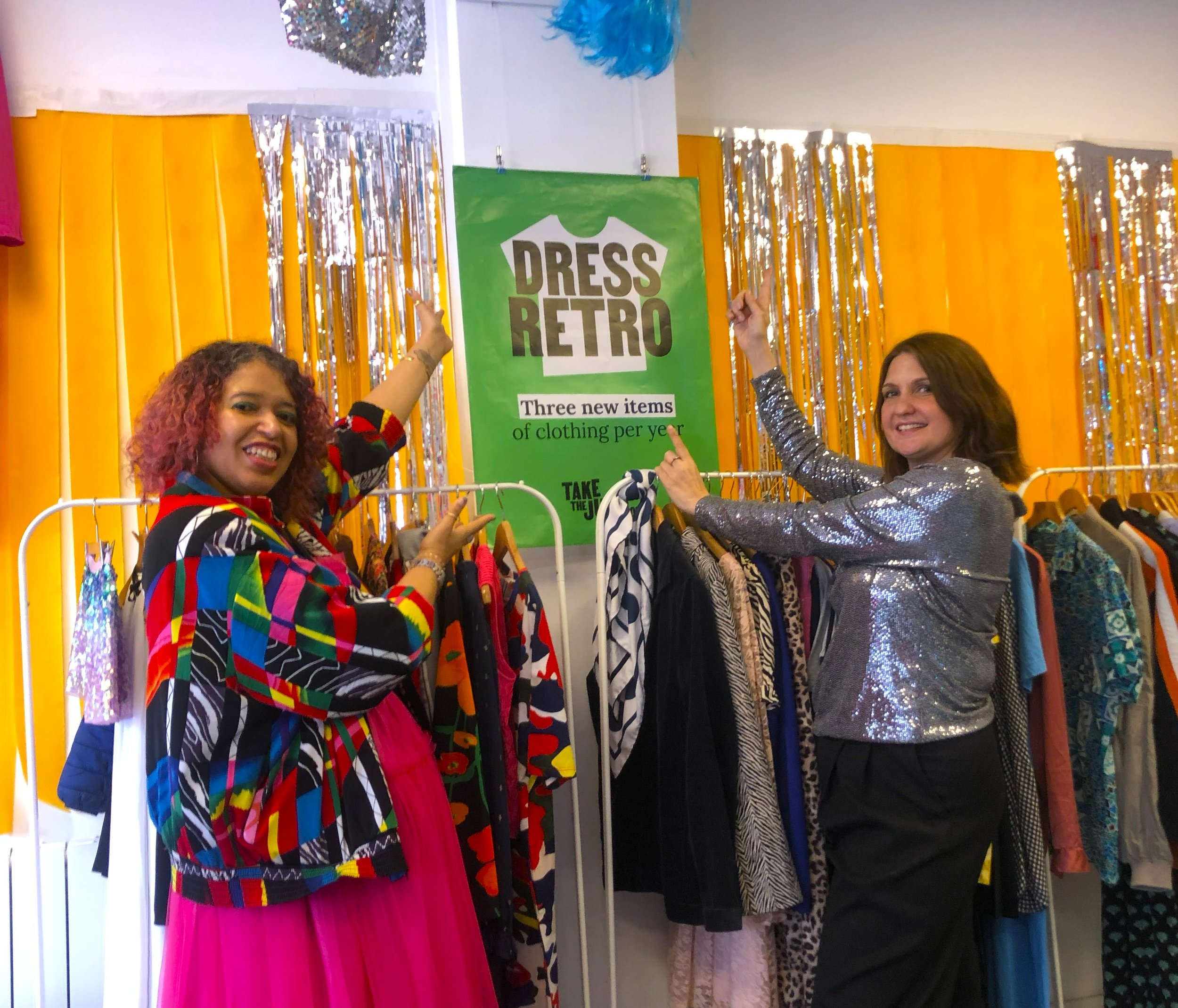
Keep new items of clothing to three per year!
Every item of clothing we buy has emissions associated with it. We need to reduce the amount we buy to help reduce these emissions. The science shows we need to target keeping to three new items of clothing per year.
Don’t worry! This doesn’t include socks, underwear or shoes (thankfully!) It also doesn’t include second hand, rented, shared, recycled or refurbished clothes. So this doesn’t mean you can’t change up your wardrobe and look fabulous!
If you’re ‘Taking the Jump’ for 1 or 3 months, then why not try to avoid buying anything new at all during the period?
Why MAKE STUFF LAST?
Our addiction to gadgets, and buying ‘stuff’ in general, is another contributor to carbon emissions. The process of extracting rare earth metals and producing huge volumes of products generates a significant amount of emissions - often more than the emissions associated with the energy demand of using the product itself. For example, only 13% of the Apple iPhone 11 Pro’s lifetime emissions are actually to do with its use; the other 86% are associated with its production, transport and end-of-life processing.
The clothing and textiles industry now accounts for more greenhouse gas emissions than international aviation and shipping combined. Fast fashion means we are buying and replacing clothing more frequently than ever before.
Lower prices often means poorer quality clothes that don’t last as long, but these low prices have also resulted from unseen human and environmental costs such as pollution of rivers, poor working conditions, low wages and exploitation of workers in factories.
The pace of the fashion industry has been increasing; instead of just two seasons, some fashion retailers now offer 24 changing collections each year. Before the advent of fast fashion, we wore our clothing 40 more times before getting rid of it than at the turn of the millennium.
When we dispose of clothes, we might donate them to a charity or secondhand shop. However, supply is outstripping demand locally, and up to 70% of donated clothing ends up being exported through textile merchants to be sold to people in developing countries, disrupting local economies and livelihoods.
Clothes that are thrown away or are not suitable for reuse or recycling mostly end up in landfill or incinerators.
MAKE STUFF LAST AS A COMMUNITY
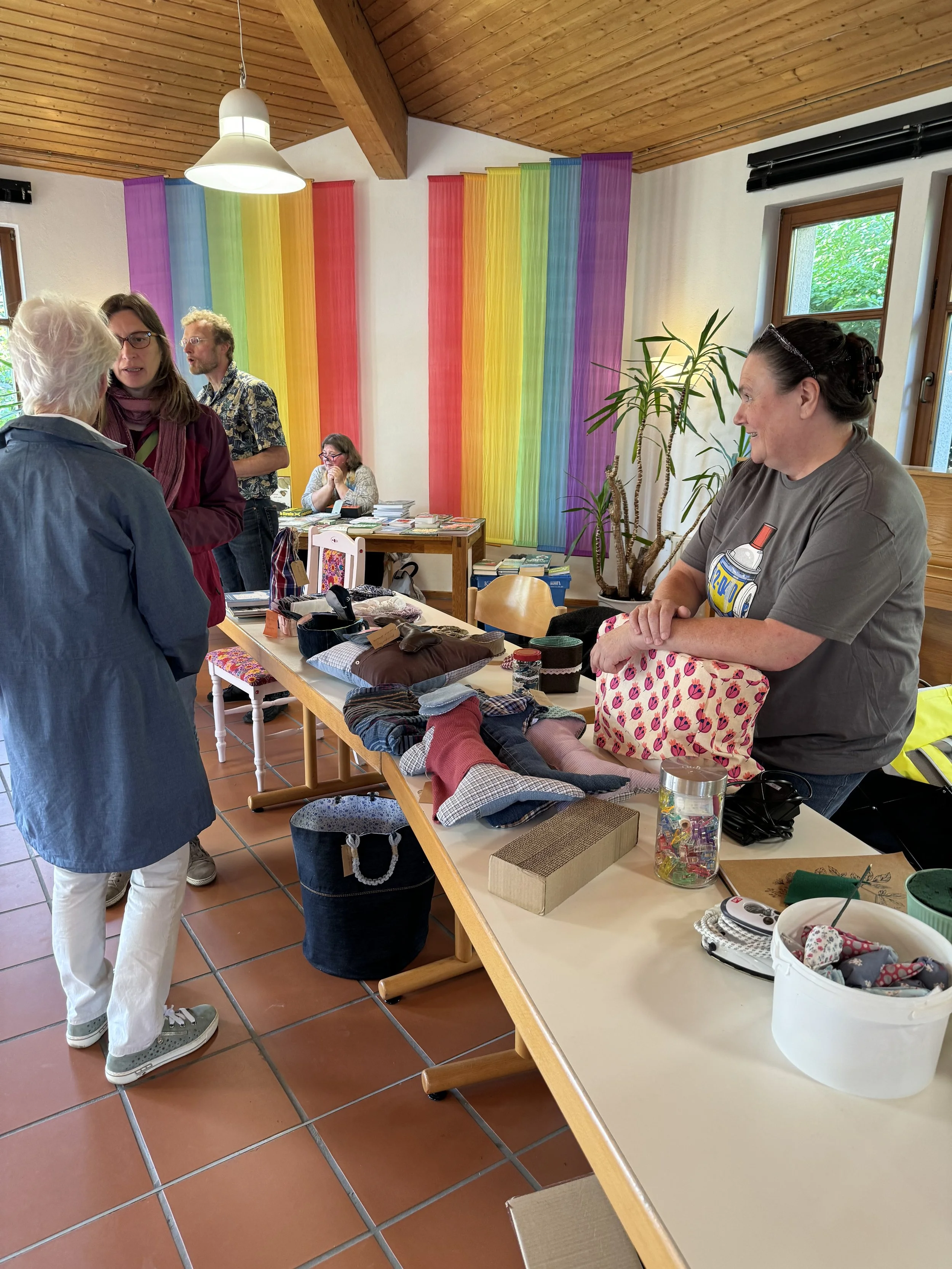
The shifts can be tried on our own, or together! As a community, a family, group of friends, school class, as a company. You name it! We’ve seen how putting on community Take the Jump events focused on one of the shifts can connect people and bring all sorts of benefits. Here’s some examples…
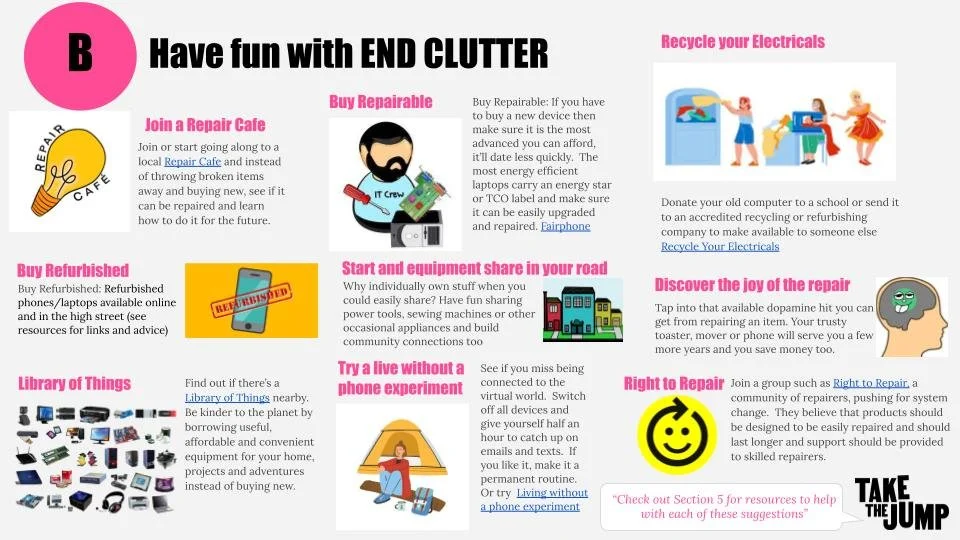
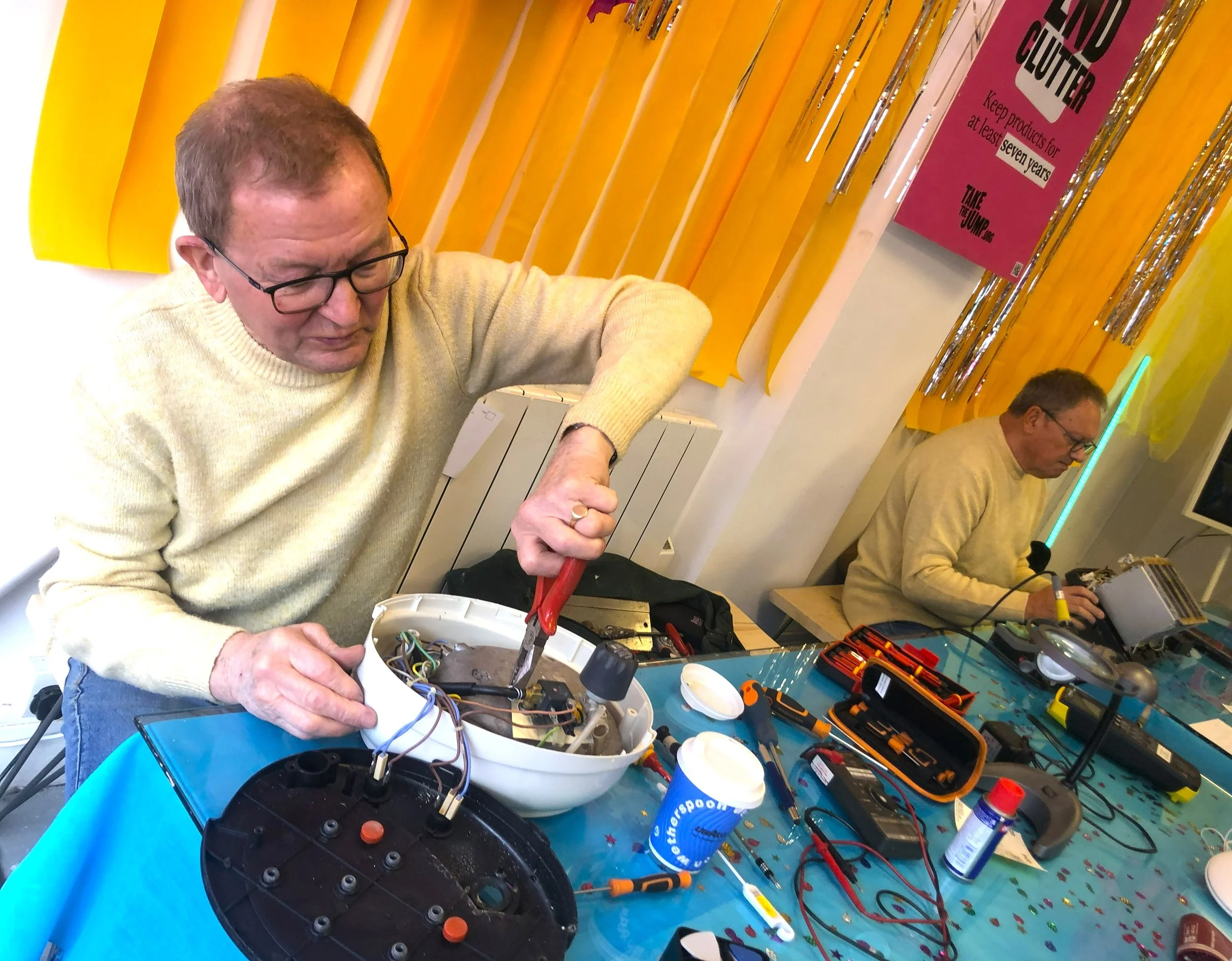
Clothes swaps, clothing repair cafe’s, second hand sales. A great way to meet others, change up your wardrobe, save money and protect our earth :) Fix stuff together! Repair Cafe’s! Connecting communities, sharing skills, and by getting things fixed saving money! Drop us an email if you’d like help putting one on.
How to MAKE STUFF LAST?
Check out the ‘How-to’ guides for Make Stuff last at the top of this page.
They cover:
What is END CLUTTER?
Why END CLUTTER?
Step by step guide to END CLUTTER
Take it step by step
Start with the right approach
Connect with others for support
Having fun with END CLUTTER
Resources to help
Apps
Websites
Podcasts
TED talks
Movies
Here’s a sneak peak to whet your appetite…